
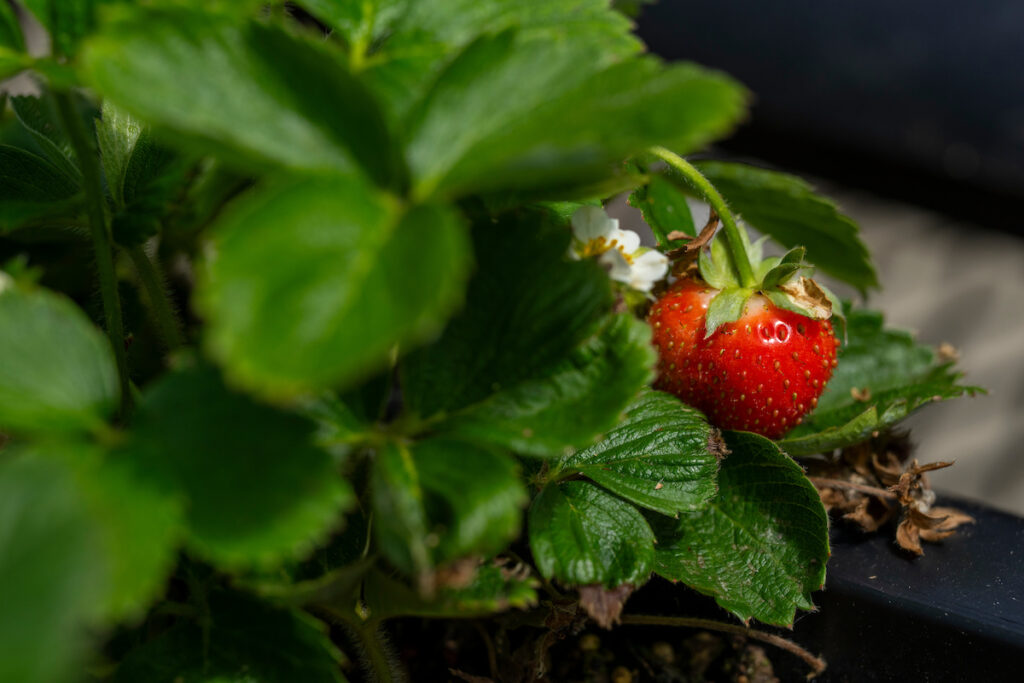
About Horticulture
Department Overview
Mission: We enhance lives through need-driven horticultural research, its application, and science-based communication, fostering sustainability, wellness, and food security.
Horticulture is an interdisciplinary profession that integrates the science, technology, art, humanities, and business of producing and genetically improving high-value, healthful, edible, and beautiful plants, including fruits, vegetables, nuts, coffee, flowers, wine, turf, and ornamental plants, along with the design and management of landscapes and interior spaces. Horticulture emphasizes sustainability, wellness, food security, and environmental enhancement, supporting both human well-being and ecosystem resilience.
We are the home of the ‘Rio Gold’ Melon, 1015Y onion, ‘Betasweet’ Maroon carrot, Reveille Russet potato, TAM Mild Jalapeno, and more than 40 peach varieties. We have active genetics, genomics, and breeding programs for the improvement of melons, peppers, roses, tomatoes, spinach, potatoes, onions, watermelon, grapevine, hibiscus, pear, cider apple, pecan, and mutation breeding for field and controlled environment production.
Faculty conduct need-driven research and Extension in the following major areas: Controlled Environment Horticulture; Space Horticulture; Food Science and Technology, Bioactive Compounds, and Post-harvest Physiology; Greenhouse and Floriculture Production and Marketing; Horticultural Genomics and Biotechnology; International Horticulture; Nursery and Floriculture Economics; Ornamental Horticulture and Landscape Plant Development; Plant Breeding and Genetics; Plant Physiology; Plant-Associated Microorganisms and Plant Health; Sociohorticulture; Sustainable Horticulture Production; Vegetable and Fruit Production; Viticulture and Enology; Precision Horticulture and AI for Horticultural Crop Systems.

Howdy and Welcome!
Dear friends of Horticulture,
I welcome you warmly to the vibrant world of Horticultural Sciences, where our mission revolves around three fundamental principles: sustainability, wellness and food security. I invite you to discover the depth and significance of our commitment to these critical areas.
Sustainability
Our journey begins with sustainability – the cornerstone of our efforts. At the Department of Horticultural Sciences, we understand that ensuring the profitability of our farmers and the food systems is paramount.
One of the most powerful ways we can ensure the sustainability of the horticultural industries and the discipline of horticulture is through our students majoring in horticulture. The knowledge that they gain during their academic preparation doesn’t just stay within our classrooms; it permeates orchards, vineyards, research laboratories, entrepreneurial endeavors, nurseries and gardens, creating a lasting impact on society, environment and the communities they serve.
We are committed to providing most relevant knowledge to our undergraduate students, conducting impactful, innovative and transformative research, providing comprehensive training to our graduate students and post-doctoral scientists, and most importantly through AgriLife Extension offer knowledge to empower farmers across Texas and the United States.
By cultivating economic viability within our food systems, we not only pave the way for a resilient horticultural future but also plant the saplings for tomorrow’s solutions.
Wellness
A 75-year longitudinal study from the Study of Adult Development at Harvard Medical School has revealed that meaningful relationships and a sense of belonging are key to a long and healthy life.
We believe that healthful horticultural products, such as fruits, nuts, vegetables, chocolate, coffee, wine, tea, and more, play a pivotal role in nurturing these connections. Did you know that pecans, a major historic horticulture industry in Texas, may be able to reduce the negative impacts of obesity and diabetes? Through these delightful products, we aim to bring people together, fostering a sense of community and wellness.
Engaging with plants, flowers, and gardens has been proven to enhance mental health.
Horticulture stands on its own as a unique discipline that not only enriches lives but also nurtures well-being.
Food Security
In a world where nutritional needs are ever-growing, horticultural products have a major role to play. While the first green revolution ushered in by the Nobel Laureate Dr. Norman Borlaug, an Aggie, revolutionized calorie production, we believe the next revolution in food will be led by horticultural crops.
These crops provide both essential nutrition and sustenance to our burgeoning population while requiring lesser inputs. By focusing on permanent crops that yield year after year, we are poised to shape the future of food security.
Join Us in Cultivating a Bright Future:
We extend an invitation to you – join us in our pursuit of excellence in all aspects of horticulture. Our department offers a range of degree and certificate programs tailored to broad interests.
Plan to pursue a degree in Bachelor of Arts in Horticulture, uniquely focusing on floral design. Immerse yourself in the Bachelor of Science in Horticultural Sciences, where you’ll learn from the best scientists and professors in the field. You can also pursue a Minor in Horticulture and enhance your skills through certificate programs in Floral Design, Landscape Design and Viticulture and Enology.
If you aspire to be a leader in research, join us in the pursuit of addressing the most vexing challenges our farmers face or discover the secrets that the horticultural crops hold through a Ph.D. in Horticultural Sciences.
By choosing Horticultural Sciences at Texas A&M University, you’re choosing to be part of a transformative journey. Together, we cultivate sustainability, nurture wellness and secure food for generations to come.
Thank you for visiting. Please contact us if you would like to join us in supporting our efforts. We look forward to welcoming you into our thriving community.
Sincerely,
Amit Dhingra, Ph.D.
Head of the Department of Horticultural Sciences
Mission: Sustainability, Wellness, Food Security
Our mission is to:
- Prepare students for in-demand professions with a broad base of horticultural knowledge
- Develop research-based knowledge for efficient and profitable production of horticultural crops
- Improve the competitiveness of the Texas horticulture industry
- Increase the quality, variety, and availability of horticultural products
- Deliver research-based knowledge about the ways horticulture improves our environment and serves as a source of personal enjoyment
Have Questions?
For degrees or admissions questions:
For general questions: