
Research in Horticultural Science
Texas A&M University’s horticultural sciences research is at the forefront of advancing horticultural practices and plant science. Our research efforts aim to improve horticultural crop yields, develop disease-resistant plants, and explore sustainable and innovative farming techniques. Texas A&M’s horticultural scientists collaborate with industry partners and farmers to address real-world challenges, contributing to the growth and sustainability of the horticultural sector in Texas and beyond.
Areas of Research and Scholarly Expertise
Our faculty represent a community of scholars who conduct research programs in a variety of horticultural program areas and collaborate with colleagues from different disciplines at various land-grant and private universities.
For a full listing of faculty, please see our Department Directory.
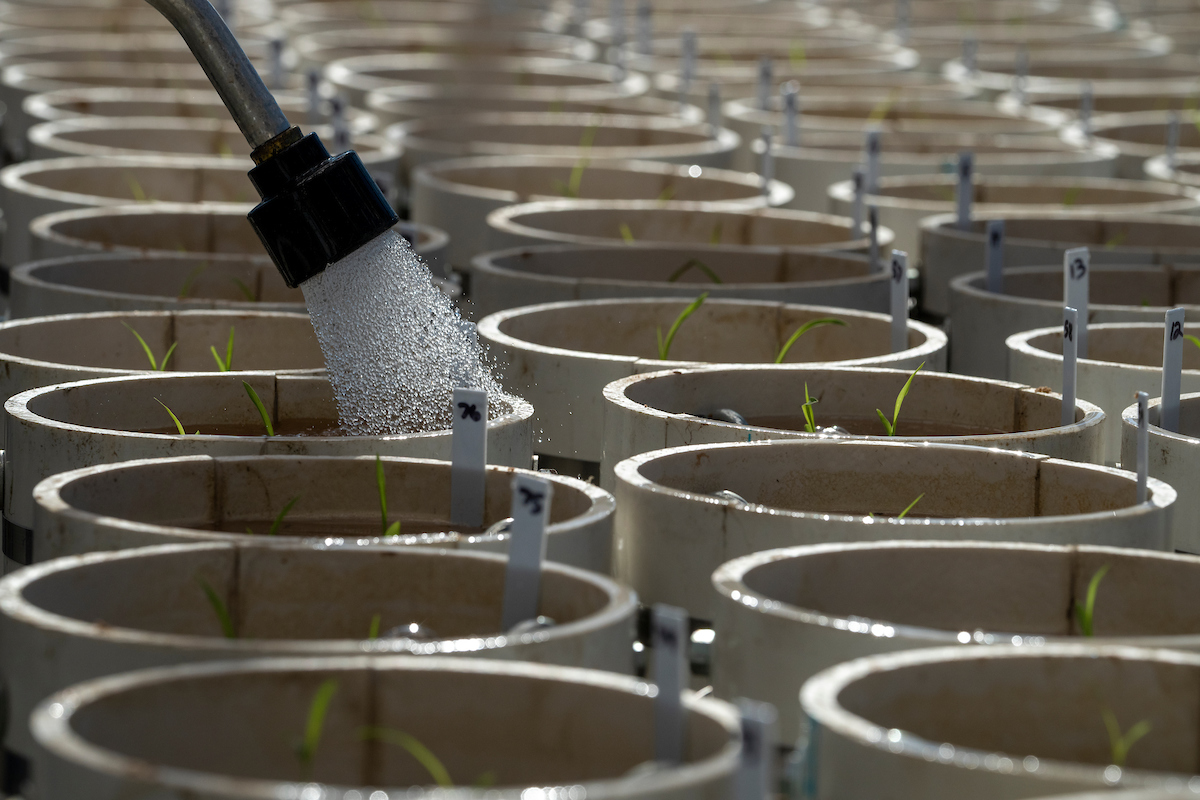
Controlled Environment Horticulture
Our researchers develop the best practices for growers to create controlled environments conducive to their crops, allowing for year-round production.
Faculty
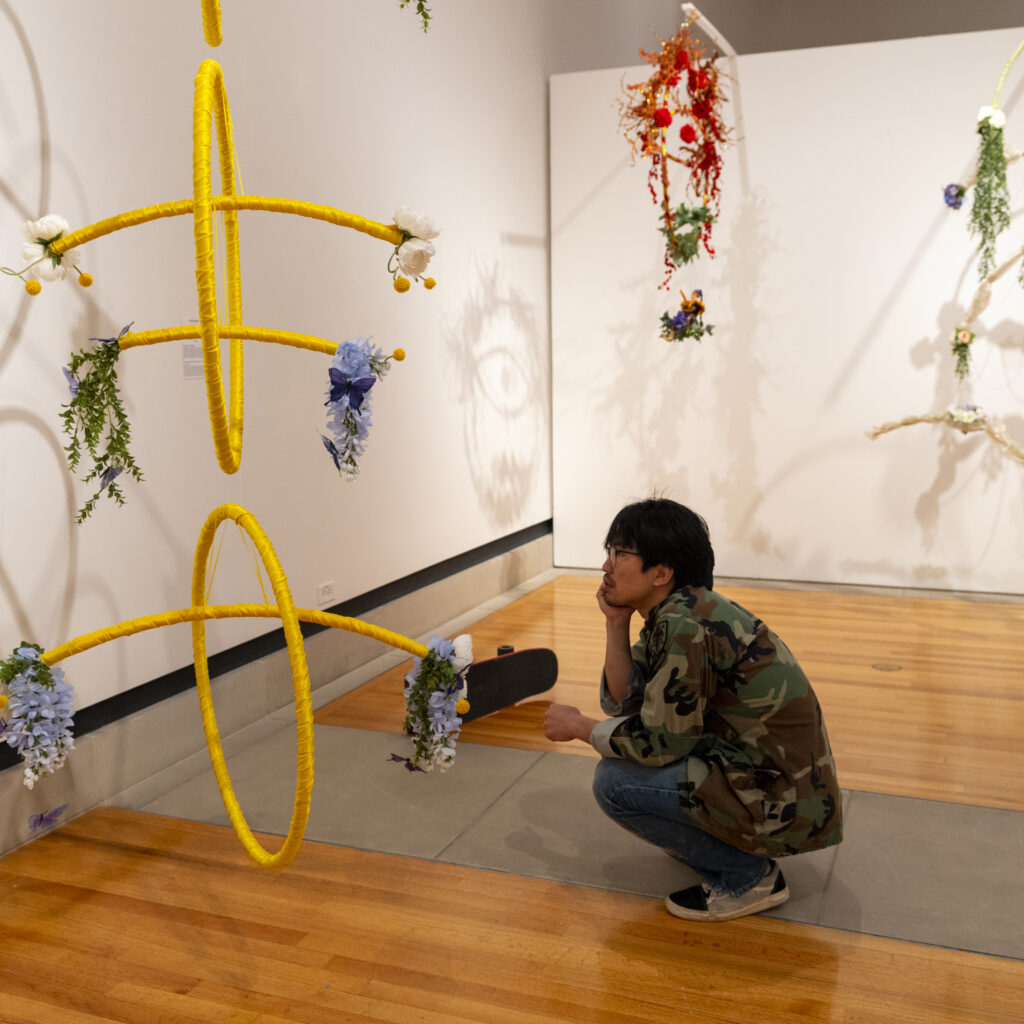
Floral Design and Event Planning
In the fast-paced and ever-changing world of floral design and event planning, it is important to stay ahead of the curve. Our activities deliver the latest trends and technological advances being made to strengthen the industry.
Faculty
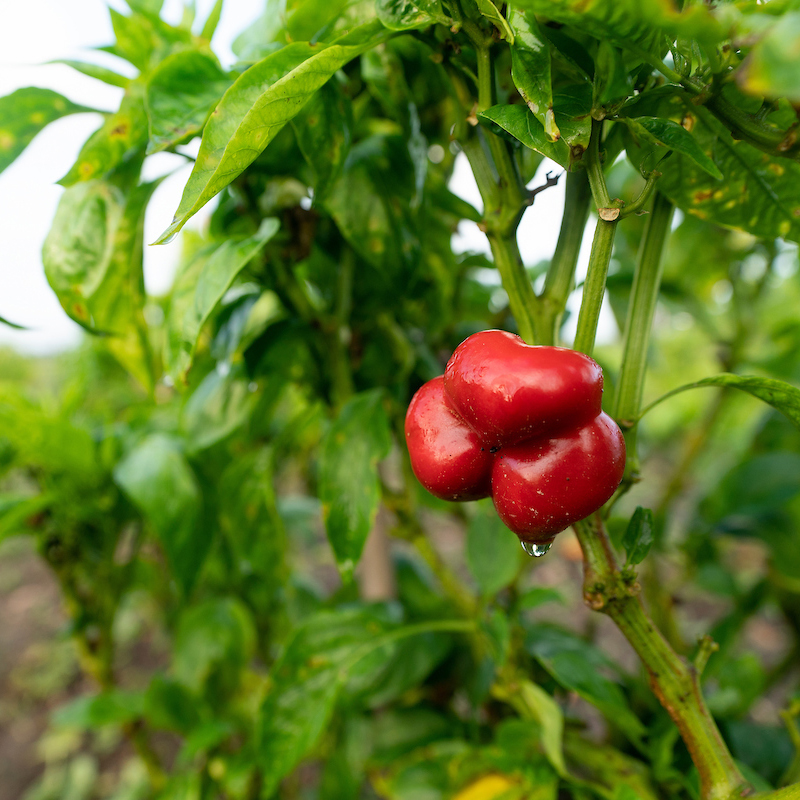
Food Science and Technology/Bioactive Compounds/Post-Harvest Physiology
Our researchers are working to isolate naturally occurring compounds in fruits and vegetables to determine their role in the improvement of human health.
Faculty
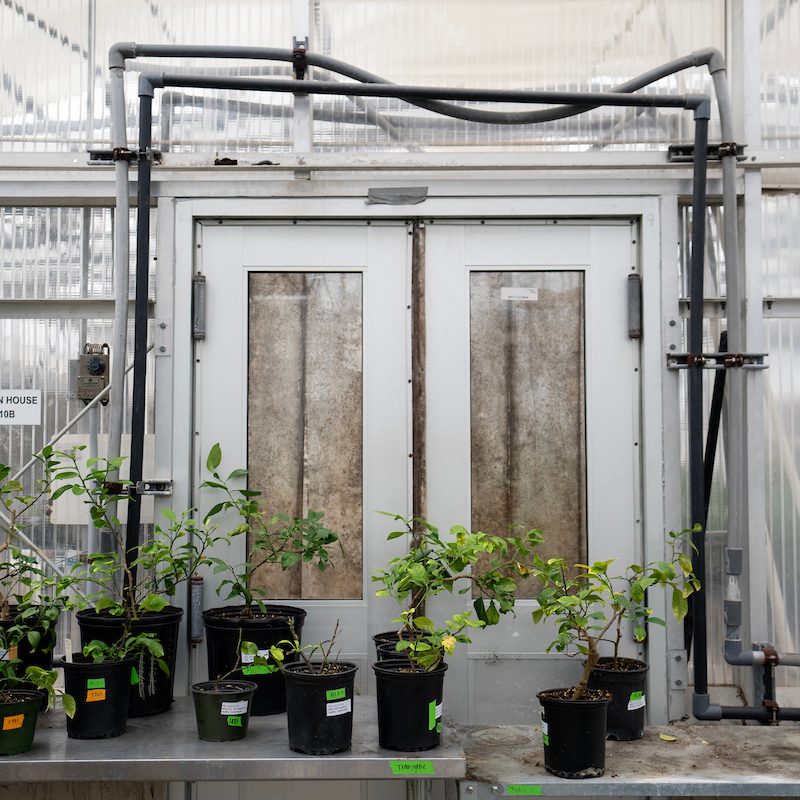
Greenhouse/Floriculture Production and Marketing
Our researchers constantly strive to provide growers with improved production methods to cultivate the highest-quality plants and compete in the multi-billion-dollar floriculture industry.
Faculty
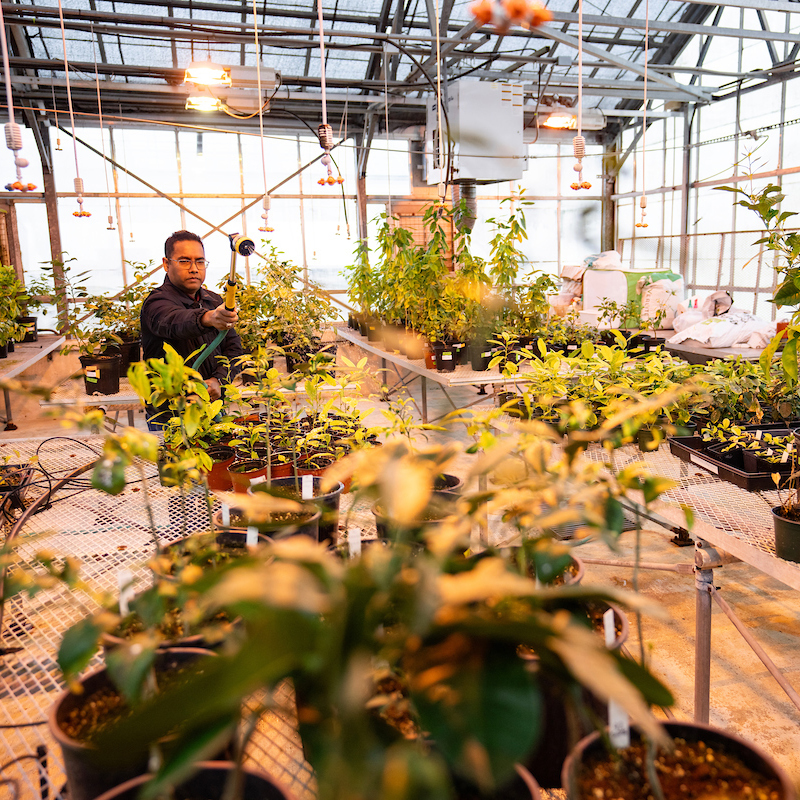
Horticultural Genomics and Biotechnology
Researchers produce genetically modified crops and plants with new and desirable traits, helping to meet the ever-growing and ever-changing needs of the world’s population.
Faculty
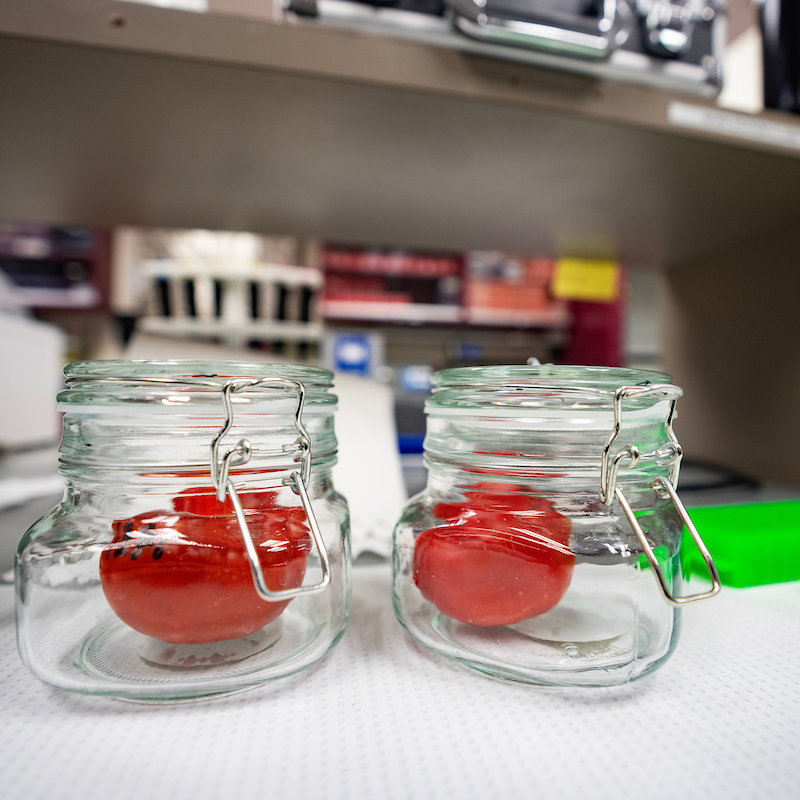
International Horticulture
Horticulture is broad in scope and has a far-reaching impact. Our researchers offer students a global perspective, enriching their education and showing the importance of the field.
Faculty
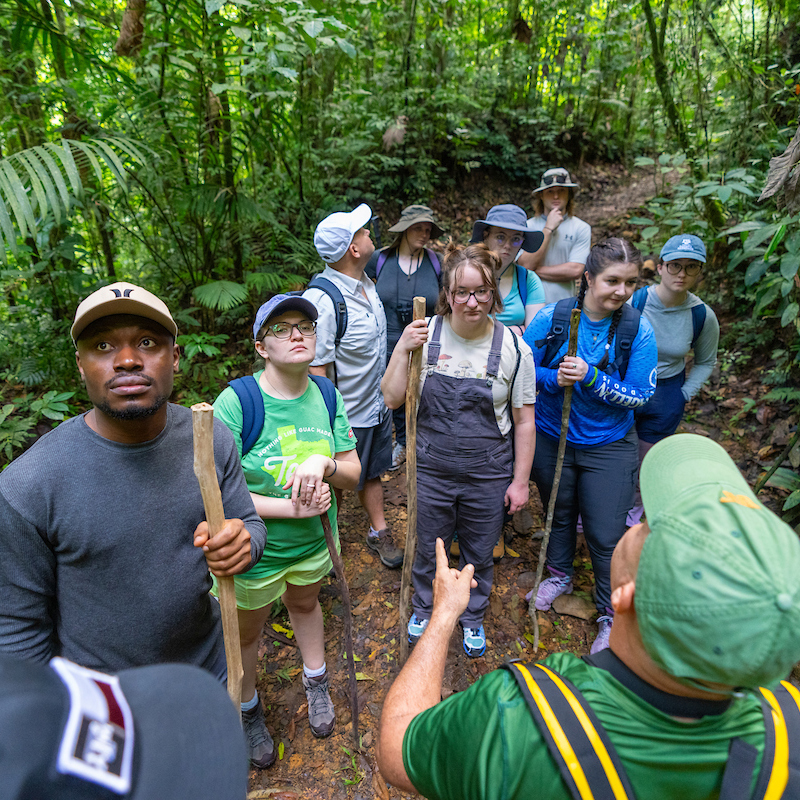
Nursery/Floriculture Economics
Our researchers work to enhance the nursery and floral industry by identifying key dynamics that affect the industry and supporting individuals in their decision-making, which plays a key role in their businesses.
Faculty
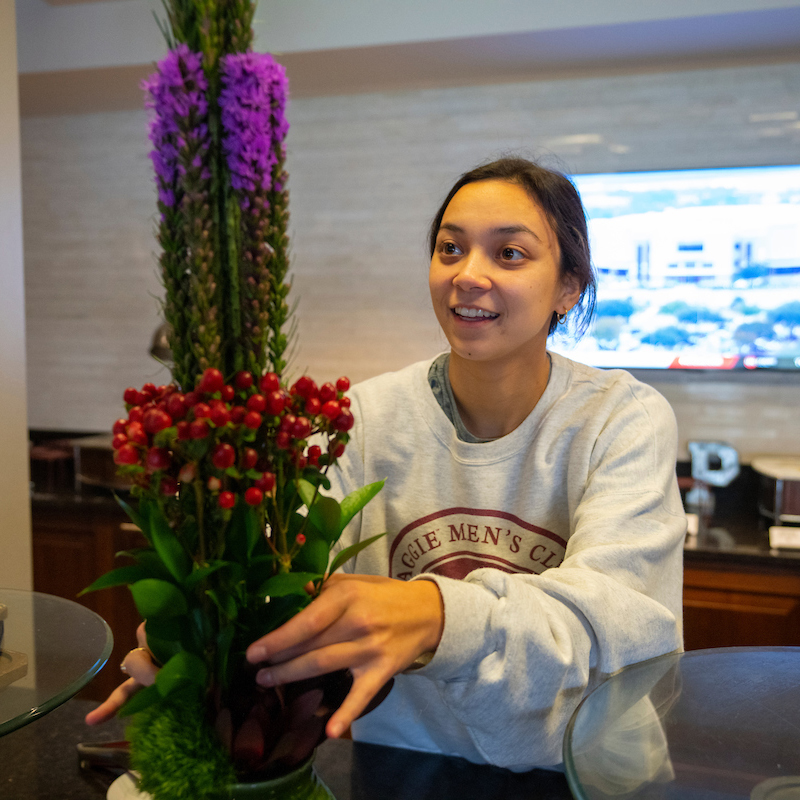
Ornamental Horticulture/Landscape Plant Development
From exploring methods for designing plant and flower displays to focusing on artistic landscape designs, researchers are working to improve stress tolerance and develop plants to better fit smaller properties.
Faculty
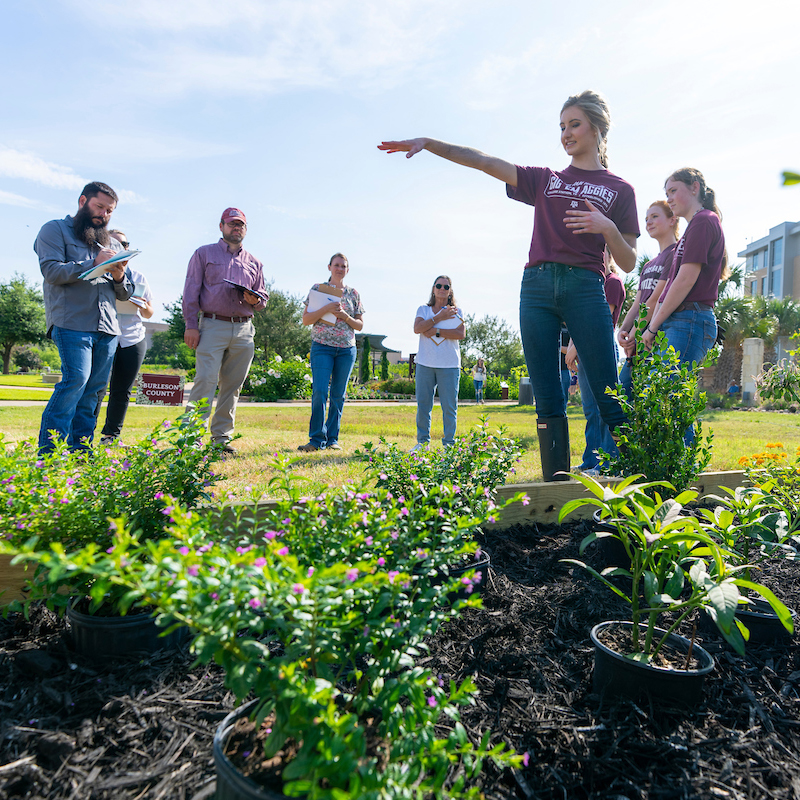
Plant Breeding and Genetics
Researchers seek to alter the genetic composition of plants to improve crop characteristics such as yield potential, crop quality, biotic and abiotic stress resistance, and reduced crop production costs.
Faculty
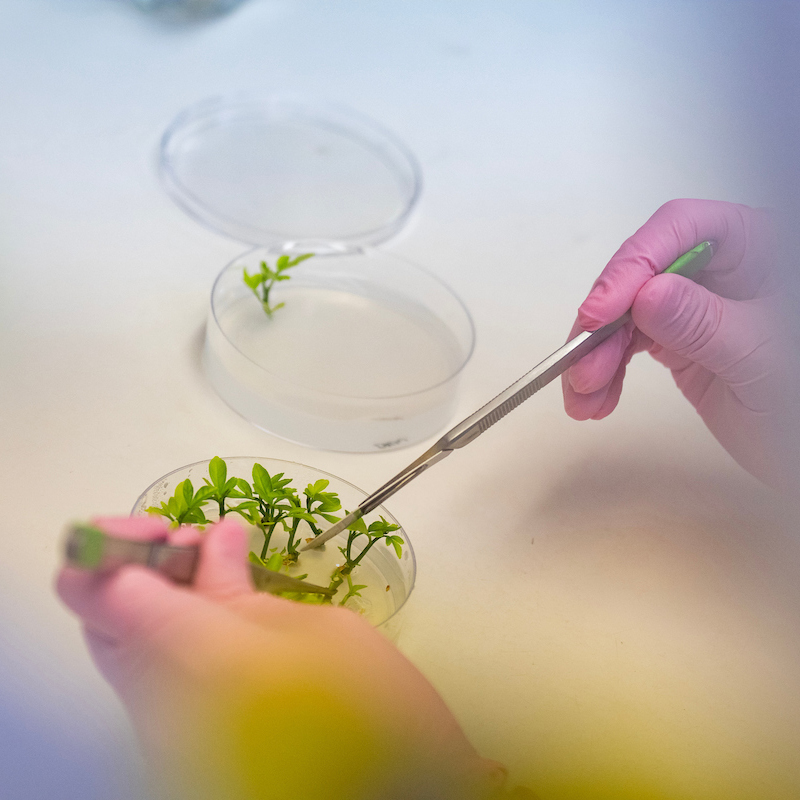
Plant Physiology
Our researchers study how plants function in their environment and use that knowledge to develop crop management alternatives that increase economic yield and environmental friendliness.
Faculty
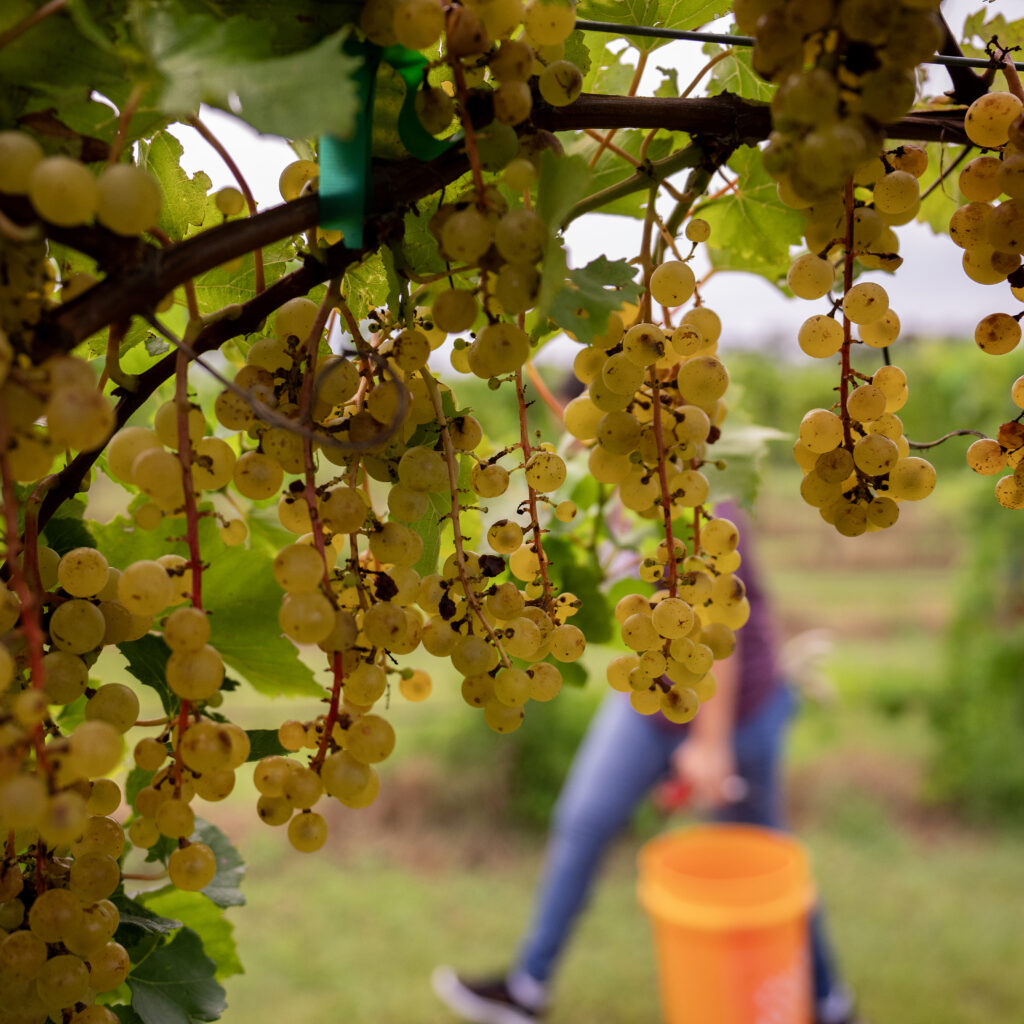
Plant-Associated Microorganisms/Plant Health
Plant-associated microorganisms can both cause and prevent diseases. Our research aims to improve understanding of the role microorganisms play in plant health.
Faculty
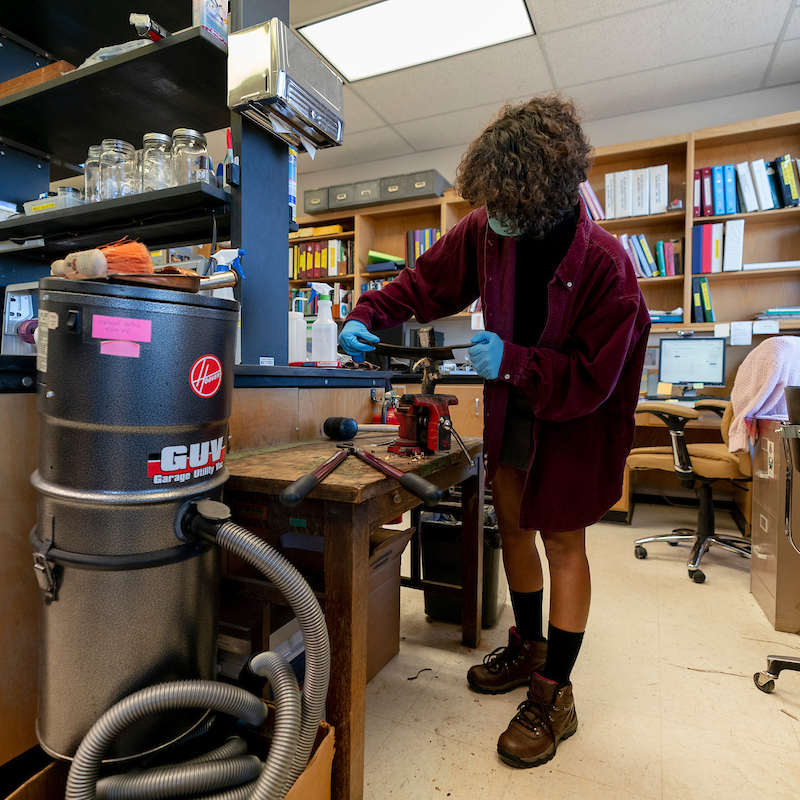
Sociohorticulture
Our researchers look for innovative ways to use integrated pest management to preserve our environment.
Faculty
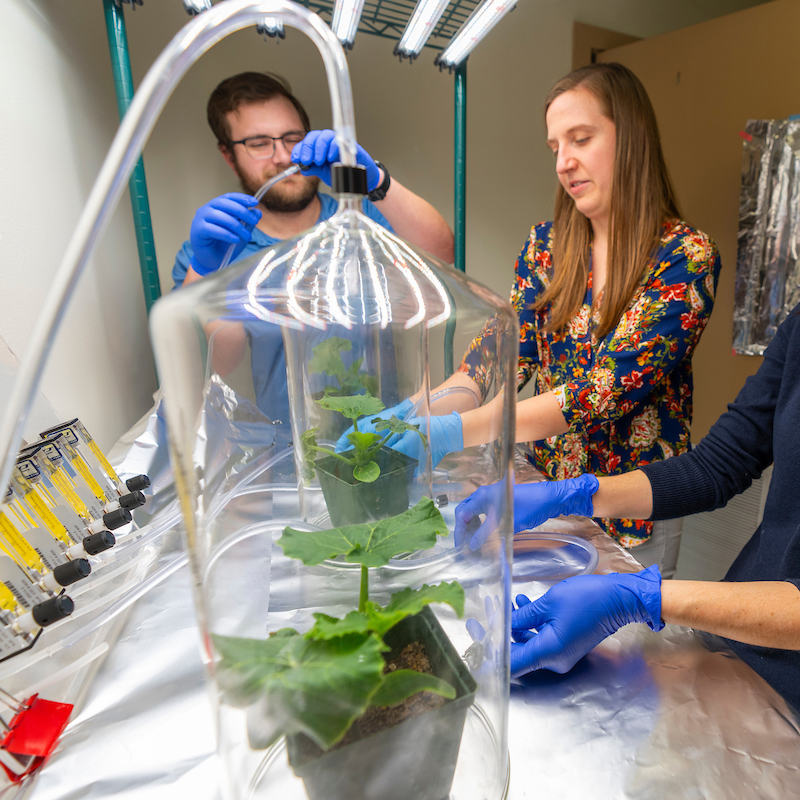
Sustainable Horticulture Production
Our researchers are constantly seeking ways to grow plants while being mindful of the need to conserve our natural resources.
Faculty
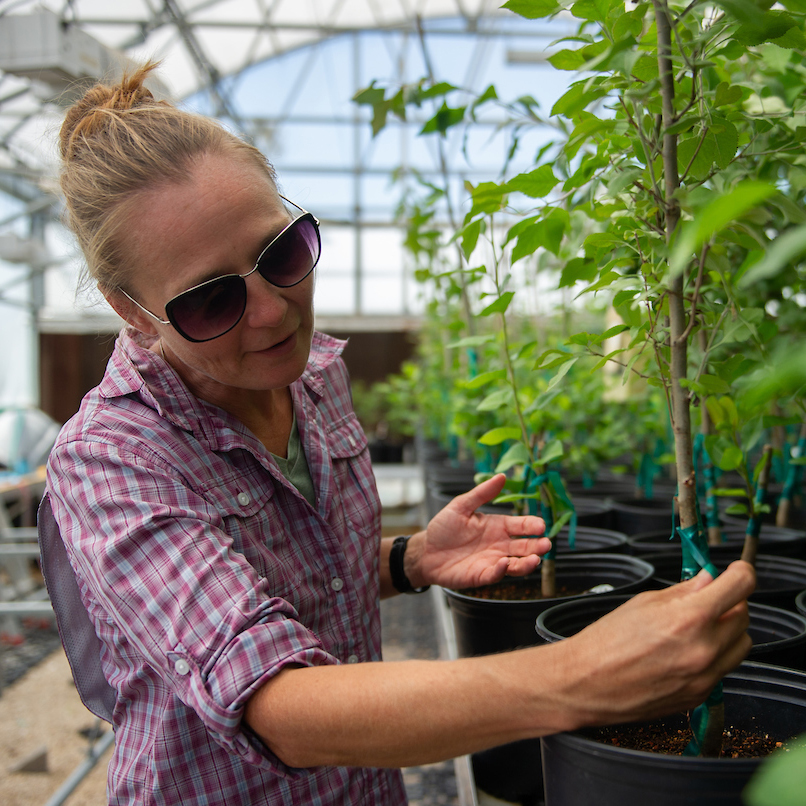
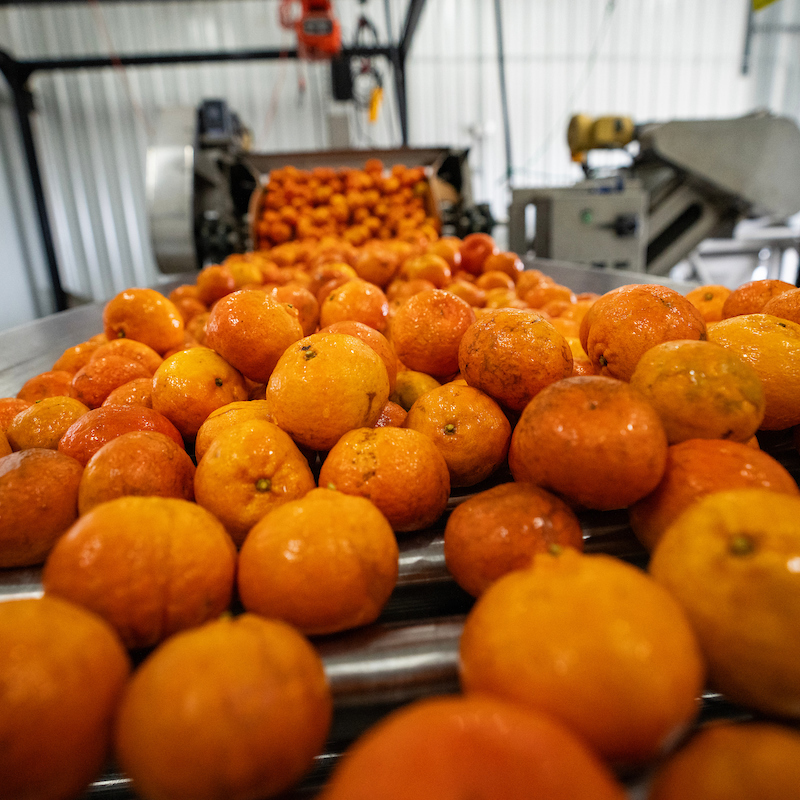
Vegetable/Fruit Production
Our researchers continually develop new techniques for producers and growers that will lead to more sustainable and profitable crop production.
Faculty
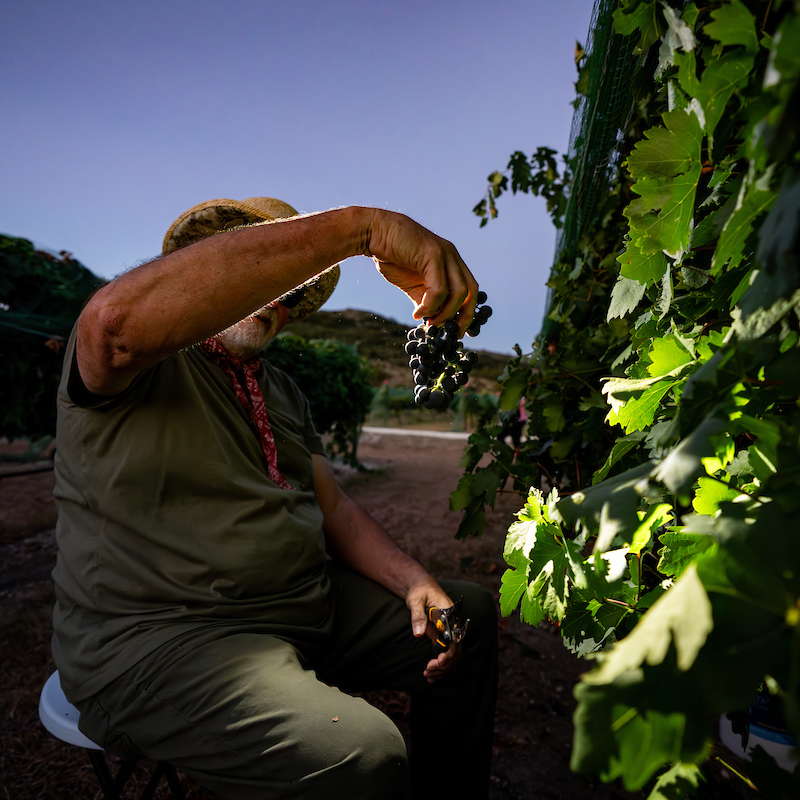
Viticulture/Enology
Through applied research, our department educates growers and wine producers in this vital industry on cutting-edge techniques for insect and disease management, selection of adapted grape varieties, wine processing, and wine quality.
Faculty
- Andreea Botezatu
- Amit Dhingra
- Thayne Montague
- Patrick O’Brien
- Justin Scheiner

Recent Publications
Discover recent scholarly publications by our research experts on the Scholars@TAMU website. Whether you’re exploring current research, seeking collaboration, or looking for evidence-based insights, these publications demonstrate our contributions to horticultural sciences.
- Co-application of microbial and non-microbial seaweed-based biostimulants improves salinity tolerance in young watermelon plants through ion homeostasis and protective metabolite responses.
Plant Science. 2026. Genhua Niu. - Physiological Performance and Nutrient Uptake of a Low-Chill Peach Tree Grafted on Different Rootstocks Under a Subtropical Climate
International Journal of Fruit Science. 2026. Lorenzo Rossi. - Physiological responses of scion and rootstock in grafted grapefruit trees under salinity stress
2026. Lorenzo Rossi.
Horticultural Science Research Labs and Programs
The Department of Horticultural Sciences houses a dynamic array of research labs dedicated to advancing horticultural science across diverse disciplines. Led by accomplished faculty and supported by dedicated teams, these labs explore plant breeding, crop physiology, sustainable agriculture, and post-harvest technologies, contributing significantly to both academia and the agricultural industry.
Plant Bioactives and Bioprocessing Research Lab
The mission of our research program at the Plant Bioactives & Bioprocessing Research Laboratory of Texas A&M University is to generate information that can benefit the agriculture and processing industry by adding value to crops through bioactive compound discovery and the design of appropriate methods to enhance their content in plants as well as extend their post-harvest shelf-life.
Potato Breeding and Variety Development
The mission of the Texas Potato Variety Development Program of Texas AgriLife Research, Texas A&M University System is to identify and/or develop improved varieties, adapted to the diverse environmental conditions of Texas, that will result in increased profits for the industry and provide superior products for consumers.
Rose Breeding and Genetics Program
Currently, we are meeting the challenges of our environment by tapping the vast genetic diversity in the genus Rosa. Our goal is to breed beautiful, carefree roses that gardeners in all climates can enjoy.
Stone Fruit Breeding and Cultivar Development
The Texas A&M Stone Fruit Breeding Program works to develop superior early-ripening, low- and medium-chill stone fruit cultivars to replace marginal commercial cultivars, expand the products from yellow-fleshed traditional flavored peaches to subacid flavors, white flesh, nectarines, and flat or doughnut-shaped fruit, and to extend the harvest seasons forward in mild winter regions throughout the world.
Vegetable and Fruit Improvement Center
The Vegetable and Fruit Improvement Center (VFIC) was established in 1992 under the direction of Dr. Leonard M. Pike to develop new technologies for producing quality vegetable products in an efficient, economic, and environmentally sound system, with a focus on achieving health and nutrition benefits. In March 1999, the Center officially added fruit to its name and research scope.
Dr. Bhimu Patil directs the Center.
Endowed Chairs
The Department of Horticulture awards three Endowed Chairs, the highest academic award that can be conferred upon a faculty member. Appointment to an Endowed Chair denotes distinguished scholarship and is reserved for the top professors in the department.
Basye Chair in Rose Breeding and Genetics
Robert Basye was a mathematics professor by vocation, but a world-class rose breeder by avocation. Breeding roses to increase disease resistance was his passion, and conquering blackspot disease was his lifetime goal. His generous donation established an endowed professorship to support rose breeding and genetics. Dr. Oscar Riera-Lizarazu currently holds that distinguished professorship.
Benz Chair in Floral Design
Established at the bequest of floral design innovator M. “Buddy” Benz, the Benz Endowed Chair and School of Floral Design is a multifaceted program which includes the Benz Gallery of Floral Art, located in the expansive atrium of the Horticulture/Forest Sciences building, and the Benz School of Floral Design, which offers four advanced training courses for public floral designers annually.
Ellison Chair in International Floriculture
The Ellison Chair in International Floriculture is named after Jim and Ellen Ellison, who spearheaded the campaign to generate industry funding for the Chair. The mission of this Chair is to advance the health and vitality of the floriculture industry nationally and internationally through exemplary academic leadership, cutting-edge applied research, innovative extension outreach programs, and mentoring well-educated, impassioned leaders to support the future of floriculture. Dr. Charlie Hall currently holds the Ellison Chair.